Hassawi Almond
tree
🔬 Prunus dulcis (Mill.) D.A.Webb
Rosaceae
Rosales
4-8 متر
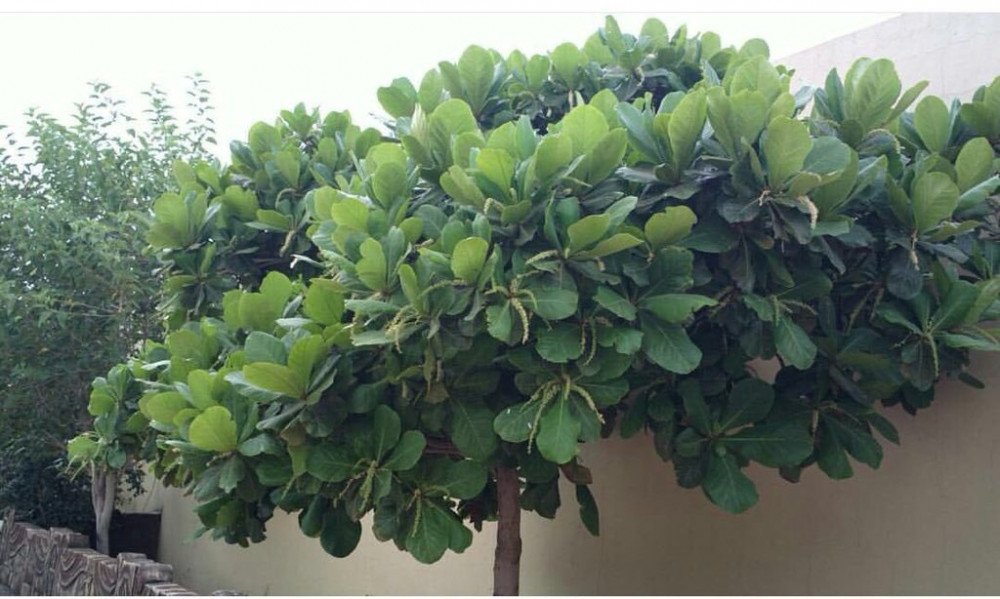
A medium-sized tree from the Rosaceae family, native to the Eastern Province of Saudi Arabia. It produces the famous Hassawi almonds with a distinctive flavor. It is highly tolerant to drought, heat, and salinity, making it suitable for desert environments. It blooms in early spring with white-pink flowers and fruits in summer.
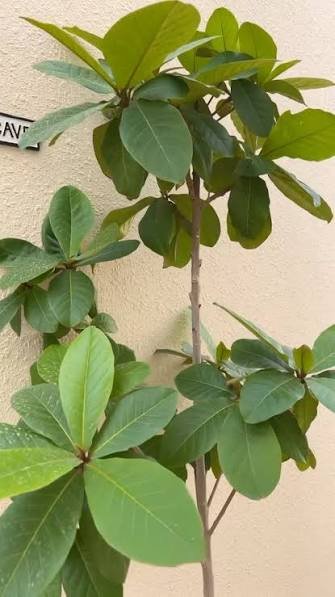
Simple, lanceolate leaves with serrated margins, dark green in color, 5-10 cm long and 2-4 cm wide. Deciduous in autumn.
Pentamerous flowers, white to pale pink, 3-5 cm in diameter, appearing before the leaves in early spring (February - March). Fragrant and attractive to bees.
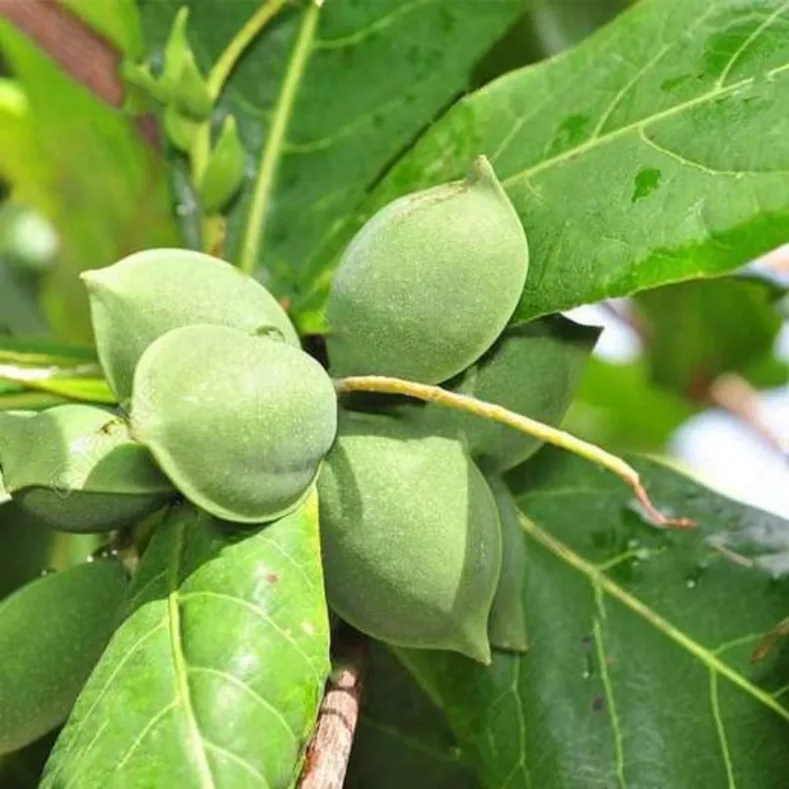
Dry drupe (stone fruit) with an oval shape, 3-6 cm long, containing a hard shell with the edible almond kernel. Ripens in late summer (July - September).
Plant in well-drained, deep soil with moderate pH (6.5-8.0). Prefers planting in autumn or early spring. Spacing 4-6 meters between trees. Water moderately, avoiding excess moisture around roots.
Requires annual pruning to remove dead and tangled branches and improve aeration. Organic fertilization in spring and autumn boosts production. Control aphids and caterpillars periodically.
Leaf aphids, stem borers, brown rot, powdery mildew, and leaf curl disease (Taphrina deformans).
Eastern Province, Kingdom of Saudi Arabia (historic region of Hassawi almond production)
15-45 °C
شمس كاملة (6-8 ساعات يومياً)
February - March (early spring)
Sandy loam soil, well-drained, deep, alkaline to neutral (pH 7-8.5)
Improves soil with deep roots, combats desertification, provides habitat for pollinators, produces healthy food rich in healthy fats, vitamins, and minerals.
Almonds are eaten fresh or roasted, and used in confectionery, pastries, and oils. Almond oil is used in cosmetics and traditional medicine. Also planted as a shade tree in gardens and farms.
Hassawi almonds are known worldwide for their high quality and unique flavor. A single tree produces 10-25 kg of almonds annually. Its cultivation in Al-Ahsa dates back over 200 years.
7